
The New Burnout Nobody Wants to Admit
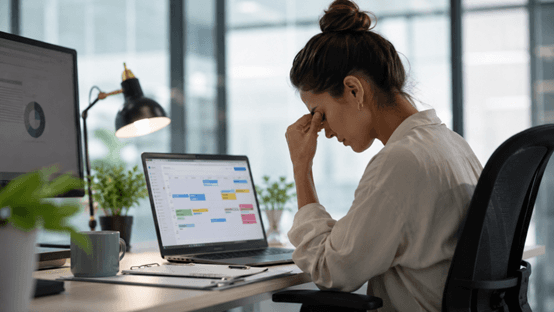
By 2026, workplace burnout no longer looks like dramatic breakdowns or obvious exhaustion. For many professionals, it looks far more ordinary: a calendar filled with back-to-back meetings, nonstop Slack notifications, overlapping Zoom calls, and barely enough uninterrupted time to actually complete meaningful work. Employees are expected to stay reachable at all hours, respond instantly, and remain visibly active online even when their workload is already overwhelming.
What makes this version of burnout difficult to discuss is that modern work culture often disguises overload as productivity. A fully booked calendar can appear impressive, even if most of those meetings produce little value. Many workers now spend entire days talking about tasks instead of completing them.
As a result, a new kind of workplace language has quietly emerged. Employees increasingly use phrases connected to “digital wellness,” focus protection, screen fatigue, and cognitive recovery to decline unnecessary meetings without sounding disengaged or uncooperative. These responses feel professional, modern, and difficult to challenge because they align with broader conversations around mental health and sustainable productivity.
Importantly, this shift is not about avoiding responsibility or doing less work. In many cases, it is the opposite. Professionals are becoming more protective of their cognitive bandwidth because deep concentration, strategic thinking, and uninterrupted execution are now some of the most valuable skills in knowledge-based work.
Why “Meeting Fatigue” Became a Legitimate Workplace Problem
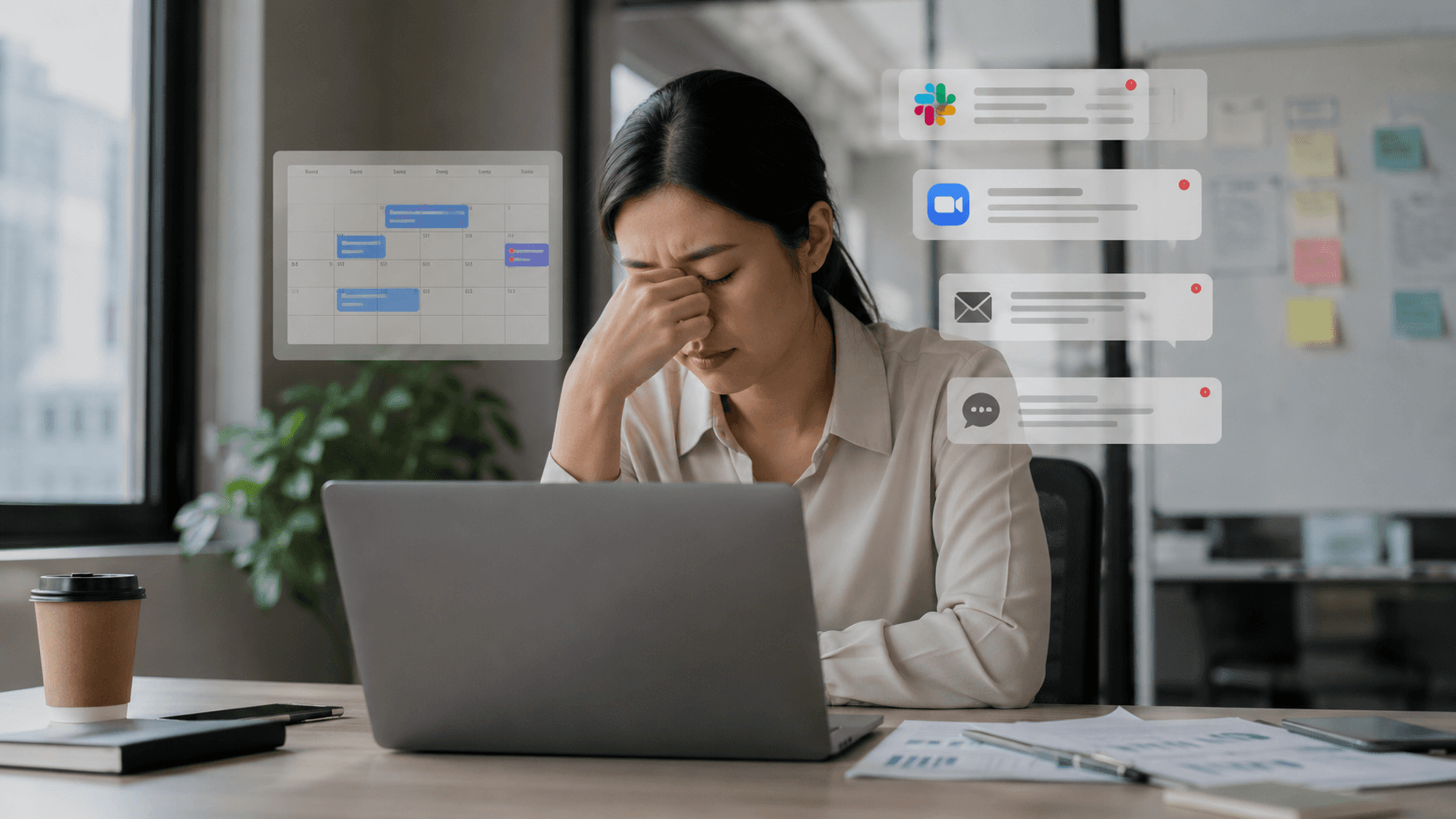
Meeting fatigue became a serious workplace issue once hybrid and remote work stopped being temporary solutions and turned into permanent business models. In theory, digital collaboration made work more flexible. In reality, it often created an environment where employees became permanently reachable and constantly scheduled.
By 2026, many professionals spend their days moving from one video call to another with little time to process information or complete actual tasks. A typical workday may include back-to-back Zoom meetings in the morning, “quick sync” sessions in the afternoon, and late-night calls with teams operating across different time zones. What used to be occasional collaboration slowly evolved into nonstop digital presence.
One of the biggest frustrations is that meetings increasingly replace execution work rather than support it. Employees often finish a full day of calls only to begin their real work after hours. According to a 2025 Microsoft Work Trend Index report, knowledge workers lose an average of 7.5 hours per week to unnecessary meetings and constant interruptions.
The Hidden Cost of Excessive Meetings
Workplace Habit | Mental Impact | Productivity Cost |
|---|---|---|
Constant notifications | Increased stress and reduced concentration | Frequent task interruption |
Context switching | Mental exhaustion | Slower completion times |
Long recurring meetings | Attention fatigue | Reduced creative thinking |
Camera fatigue | Social and visual burnout | Lower engagement levels |
No-focus workdays | Cognitive overload | Delayed project execution |
Because of this, many companies now encourage “focus blocks,” asynchronous communication, shorter meetings, and wellness-aware scheduling policies designed to protect uninterrupted work time instead of rewarding calendar overload.
The Psychology Behind “Digital Wellness” Language
The reason “digital wellness” language works so effectively in modern workplaces is simple: it sounds responsible rather than resistant. Phrases connected to mental clarity, focus protection, cognitive overload, and productivity recovery align with the broader corporate conversation around employee wellbeing and sustainable performance.
Compare that to saying: “I don’t want to attend.” “This meeting is pointless.” “I’m too busy.”
Those responses can sound dismissive, emotional, or uncooperative. In contrast, saying you are “protecting deep work time” or “reducing context switching” feels calm, intentional, and productivity-focused. The wording reframes the situation from avoiding work to improving the quality of work.
This subtle shift matters psychologically. People are far less defensive when they believe someone is protecting performance rather than rejecting collaboration. In many workplaces, wellness-oriented communication has become a socially acceptable way to establish professional boundaries without triggering conflict.
Why HR Departments Rarely Push Back Against Wellness Framing
Most HR departments actively promote conversations around burnout prevention, mental wellness, and sustainable productivity. Because of this, language tied to digital wellbeing is difficult to challenge without appearing inconsistent with company culture or employee wellness initiatives.
Why Managers Often Respect Focus-Protective Language More Than Generic Excuses
Managers usually respond better to focus-oriented explanations because they connect directly to results. Saying you need uninterrupted concentration time signals discipline and prioritization, while generic excuses often sound vague or reactive. In performance-driven environments, protecting execution time is increasingly viewed as a professional skill rather than avoidance behavior.
The 12 “Digital Wellness” Reasons to Decline a Meeting
1. “I’m protecting deep work time this afternoon.”
This phrase works because it signals intentional productivity rather than avoidance. Deep work is widely recognized as essential for complex tasks that require uninterrupted concentration.
Use it when you need several focused hours to complete analytical, creative, or technical work.
Example scenario: A teammate requests a non-urgent brainstorming call during a scheduled focus block.
2. “I’m reducing context switching to finish priority deliverables.”
Context switching is now understood as a major productivity drain. Mentioning it makes your decision sound informed and performance-driven.
Use it when multiple meetings are interrupting an important project.
Example scenario: You are finalizing a presentation while several departments keep requesting short check-ins.
3. “I’m currently in a low-meeting productivity block.”
This sounds structured and intentional because many companies already encourage low-meeting scheduling policies.
Use it when you have designated calendar periods reserved for execution work.
Example scenario: Your team has internal focus hours every Wednesday morning.
4. “I’m trying to avoid unnecessary screen fatigue today.”
Video-call exhaustion is now a familiar workplace issue, especially in remote environments.
Use it after long periods of consecutive virtual meetings.
Example scenario: You already spent five hours on Zoom before another optional call appears on your calendar.
5. “I’m batching collaborative sessions later this week.”
Batching sounds organized and efficient instead of dismissive.
Use it when you want to consolidate conversations into fewer, more productive meetings.
Example scenario: Rather than attending three separate calls, you schedule one combined discussion later in the week.
6. “I need uninterrupted concentration time for a deadline.”
Deadlines create immediate legitimacy. Most managers respect requests tied directly to deliverables.
Use it when work quality could suffer from interruptions.
Example scenario: You are finishing a client proposal due within 24 hours.
7. “I’m limiting reactive work so I can focus on execution.”
This phrase positions meetings as reactive activity while framing execution as the higher priority.
Use it when constant messages and calls are preventing meaningful progress.
Example scenario: You spent most of the week responding to updates instead of advancing the project itself.
8. “I’m prioritizing asynchronous communication where possible.”
Asynchronous work culture has become increasingly accepted in hybrid companies.
Use it when information can easily be shared through documents, recordings, or written updates.
Example scenario: A 30-minute meeting can realistically be replaced with a shared summary document.
9. “I’m in a no-notification workflow session.”
This communicates that you are intentionally minimizing distractions to maintain momentum.
Use it during high-focus tasks that require sustained attention.
Example scenario: You are coding, writing, or analyzing data and interruptions would significantly slow progress.
10. “I’m protecting strategic planning time.”
Strategic thinking sounds valuable because it connects directly to long-term outcomes rather than short-term activity.
Use it when you need space for planning, prioritization, or decision-making.
Example scenario: You are preparing quarterly goals and need uninterrupted thinking time.
11. “I’m reducing meeting density to improve output quality.”
This phrase feels professional because it focuses on measurable outcomes rather than personal preference.
Use it when your schedule becomes overloaded with overlapping meetings.
Example scenario: Your calendar contains six meetings in one day with almost no execution time left.
12. “I need recovery space after consecutive collaborative sessions.”
This works because collaborative fatigue is increasingly recognized as real cognitive strain.
Use it after long workshops, team discussions, or presentation-heavy days.
Example scenario: You finish several high-energy meetings and need time to mentally reset before returning to focused work.
The effectiveness of these responses comes from their tone. They sound proactive, organized, and performance-oriented rather than emotional or resistant. Instead of rejecting collaboration entirely, they communicate that your time and attention are being managed intentionally to produce better results.
Professionals preparing for interviews or career transitions often experience the same kind of calendar exhaustion. Between networking calls, mock interviews, recruiter conversations, and technical prep sessions, many candidates feel overwhelmed before the hiring process even begins. Tools like Sensei AI help reduce some of that pressure by providing real-time interview assistance during live interviews, allowing candidates to prepare more efficiently without relying on endless manual prep sessions or repetitive mock calls.
Try Sensei AI for Free
When You Should NOT Use These Excuses

Digital wellness language can be useful, but it should not become an automatic response to every meeting invitation. In some situations, declining meetings too frequently can damage trust, reduce visibility, and create the impression that you are emotionally disconnected from the team.
For example, if performance concerns already exist, repeatedly avoiding meetings may reinforce doubts about engagement or accountability. The same applies when leadership visibility matters, especially during promotion cycles, restructuring periods, or high-impact projects. Senior managers often evaluate collaboration and responsiveness alongside output.
There are also moments where meetings carry emotional or strategic importance that cannot be replaced asynchronously.
📌 Situations where declining meetings can backfire: • Client-sensitive discussions requiring relationship management
• Team conflict situations needing real-time communication
• One-on-one conversations with struggling employees
• Crisis-response meetings with urgent decisions
• Leadership alignment sessions during major company changes
Healthy boundaries only work when they are balanced with reliability and professional presence. Protecting your focus time should improve your performance, not isolate you from important conversations.
The Difference Between Boundary-Setting and Quiet Quitting
Boundary-setting is intentional and transparent. You still contribute, communicate clearly, and remain dependable. Quiet quitting, by contrast, often looks passive, disengaged, and consistently unavailable. The difference is not the number of meetings you decline, but whether people still trust your involvement and follow-through.
How Overusing Wellness Language Can Backfire
If every declined meeting includes wellness-related wording, coworkers may eventually see the language as scripted or performative. Overuse weakens credibility. The most effective professionals combine selective meeting declines with strong execution, responsiveness, and clear communication so their boundaries feel reasonable instead of avoidant.
The Rise of “Soft Productivity Culture” in 2026
For years, workplace culture rewarded visible exhaustion. Employees were praised for packed calendars, instant replies, late-night emails, and nonstop availability. But by 2026, many companies have started moving away from traditional hustle culture toward something more sustainable: soft productivity culture.
This newer approach focuses less on looking busy and more on producing meaningful results without constant burnout. Instead of celebrating overwork, organizations increasingly encourage healthier systems that protect employee attention and mental energy.
📌 Common workplace trends in 2026 include: • No-meeting Fridays to create uninterrupted execution time
• Async-first teams that rely more on written updates than live calls
• Focus-hour policies that block internal meetings during peak productivity windows
• Four-day workweek experiments designed to improve retention and wellbeing
• Calendar transparency tools that help teams avoid overload and scheduling conflicts
Younger professionals especially tend to value autonomy, mental clarity, and flexibility more than performative busyness. In many industries, being constantly overwhelmed is no longer seen as impressive. It is increasingly viewed as evidence of poor workflow design.
Old Productivity Culture vs 2026 Productivity Culture
Old Workplace Norm | 2026 Workplace Shift |
|---|---|
Always available | Protected focus time |
Instant replies | Async communication |
Packed calendars | Intentional scheduling |
Visible busyness | Measured outcomes |
Long meetings | Shorter collaboration windows |
Multitasking constantly | Deep concentration periods |
AI tools are also reshaping how professionals manage work and career preparation. Instead of scheduling endless coaching calls or repetitive practice sessions, many people now rely on conversational AI support throughout the day. For example, Sensei AI includes an AI Playground feature where users can ask interview and workplace-related questions conversationally, making preparation more flexible and less dependent on additional meetings.
Practice with Sensei AI
How to Decline Meetings Without Damaging Relationships
Declining meetings professionally is less about the excuse itself and more about how you communicate it. People generally respond well when they feel respected, informed, and still supported. The goal is to reduce unnecessary meetings without creating friction or appearing unavailable.
Whenever possible, offer alternatives instead of simply rejecting the invitation.
📌 Helpful alternatives to suggest: • Offer asynchronous updates through Slack, email, or shared documents
• Suggest shortening a 60-minute meeting to 15 minutes
• Recommend recorded walkthroughs for informational topics
• Provide alternative time slots later in the week
• Share written feedback before the meeting begins
Tone also matters more than many people realize. The most effective responses are usually: • Polite
• Brief
• Confident
• Non-defensive
Long explanations often sound uncertain or overly emotional. A calm and direct response feels more professional and trustworthy.
Phrases That Sound Professional
Examples include: “I’d like to handle this asynchronously if possible.”
“I’m currently protecting focus time for a deadline.”
“Could we consolidate this into a shorter session later this week?”
These responses sound collaborative while still protecting your schedule.
Phrases That Sound Passive-Aggressive
Some phrases create tension even if the intention is reasonable.
Examples include: “This probably could have been an email.”
“My calendar is already impossible.”
“I don’t have time for another pointless meeting.”
Even when frustration is understandable, wording that sounds sarcastic, dismissive, or emotionally charged can damage workplace relationships much faster than the meeting itself.
Your Calendar Is Part of Your Mental Health

In 2026, protecting your attention is no longer a niche productivity trick. It is becoming a legitimate professional skill. As workplaces grow more digitally connected, employees are realizing that constant availability does not automatically lead to better performance. In many cases, it creates distraction, exhaustion, and lower-quality work.
Meetings should function as intentional tools for collaboration and decision-making, not automatic defaults that consume every open space on a calendar. The healthiest professionals are often the ones who know when to collaborate, when to communicate asynchronously, and when to protect uninterrupted focus time.
🧠 Healthy productivity today is increasingly about managing cognitive energy rather than maximizing visible busyness.
AI is also becoming part of that shift. Tools like Sensei AI and other lightweight AI assistants are helping people prepare for interviews, organize career materials, and reduce unnecessary stress without adding even more meetings, coaching sessions, or scheduling pressure to already overloaded workdays.
Try Sensei AI Now!
FAQs
What is digital wellness in the workplace?
Digital wellness refers to healthy and sustainable technology use at work. In professional environments, it often includes reducing unnecessary screen time, managing notifications, protecting focus time, and preventing burnout caused by constant digital communication.
Is it unprofessional to decline meetings?
Not necessarily. Declining meetings can be completely professional when handled respectfully and strategically. Most managers care more about results, responsiveness, and communication quality than simply attending every calendar invite.
How do you politely decline a meeting without sounding rude?
The best approach is to stay brief, calm, and solution-oriented. Instead of rejecting the meeting emotionally, explain your focus priorities and offer alternatives if appropriate.
Examples:
“I’m currently protecting focus time for a deadline.”
“Could we handle this asynchronously?”
“Would a shorter session later this week work instead?”
What is meeting fatigue?
Meeting fatigue is the mental exhaustion caused by excessive meetings, video calls, constant context switching, and nonstop collaboration. It often reduces concentration, productivity, and decision-making quality over time.
Why are companies reducing meetings in 2026?
Many companies now recognize that overloaded calendars hurt productivity more than they help it. As a result, organizations increasingly use async communication, no-meeting blocks, focus hours, and shorter collaboration sessions to improve both performance and employee wellbeing.
What does “protecting deep work time” mean?
Deep work refers to uninterrupted concentration on cognitively demanding tasks such as writing, coding, strategic planning, analysis, or creative problem-solving. Protecting deep work time means intentionally reducing distractions and meetings so high-quality work can be completed more efficiently.
Can too many meetings hurt productivity?
Yes. Excessive meetings often increase context switching, interrupt concentration, delay execution work, and create cognitive overload. Many professionals spend more time discussing tasks than actually completing them.
How can AI tools reduce workplace overload?
AI tools are increasingly helping professionals reduce repetitive administrative work, organize information faster, and prepare for interviews or presentations more efficiently. For example, tools like Sensei AI provide real-time interview assistance and conversational workplace support features, helping users prepare without adding even more meetings or coaching sessions to their schedules.

Shin Yang
Shin Yang is a growth strategist at Sensei AI, focusing on SEO optimization, market expansion, and customer support. He uses his expertise in digital marketing to improve visibility and user engagement, helping job seekers make the most of Sensei AI's real-time interview assistance. His work ensures that candidates have a smoother experience navigating the job application process.
Learn More
Tutorial Series: Introducing Our New Chrome Extension Listener
Sensei AI vs Interviewing.io: Which Interview Tool Is Better for You in 2026?
Sensei AI vs Huru: Which AI Interview Tool Is Better in 2026?
Sensei AI vs Interview Warmup: Which Interview Practice Tool Is Better in 2026?
How Recruiters Detect AI Answers (and How to Stay Authentic)
Interview Copilot vs Traditional Interview Coaching: Which Is Better for Your Next Interview?
Best AI for Behavioral Interview Questions: 9 Tools to Practice Smarter in 2026
Google Interview Warmup Alternatives: 9 Best Tools to Practice for Interviews in 2026
How to Practice for an Interview by Yourself: A Step-by-Step Guide That Actually Works
Best AI Tools for Job Seekers in 2026
Sensei AI
hi@senseicopilot.com