

Yes, Your Resume May Be Judged Before a Human Sees It
You apply to 50 jobs in a month. Your background matches the requirements, your experience looks solid, and you carefully wrote every application. Yet nothing happens. No interview invite, no recruiter call, sometimes not even a rejection email. For many job seekers, this feels confusing and personal. In reality, your resume may never have reached a human reader.
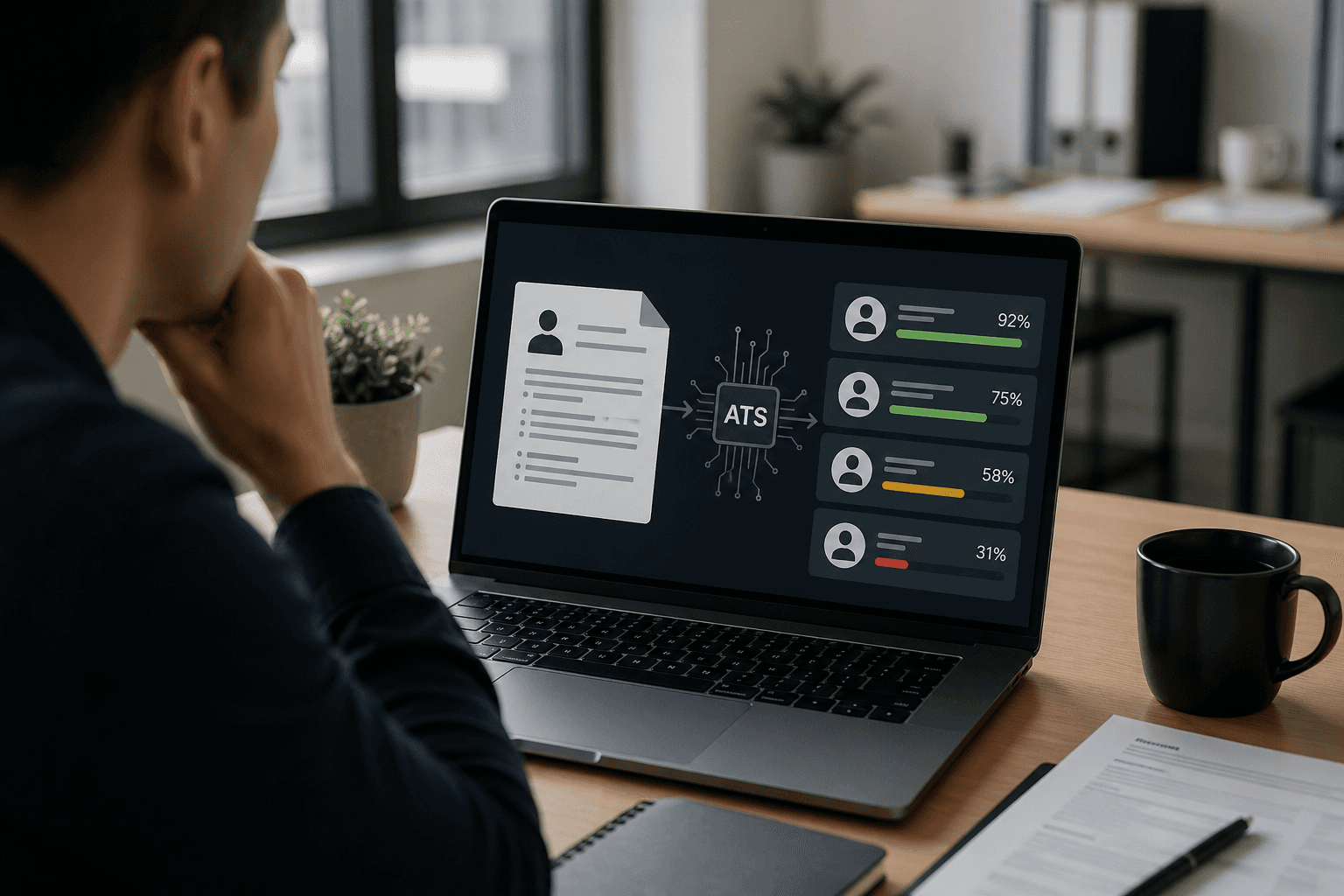
Many employers now use Applicant Tracking Systems (ATS), resume ranking platforms, and AI screening tools to sort candidates before recruiters review applications. These systems scan resumes, organize applicants, and often rank who appears most relevant for the role. Recruiters then spend their limited time reviewing the highest-priority matches first.
This is not science fiction or a rare experiment. It is standard hiring practice across many large companies and increasingly common among mid-sized businesses as well. Various industry reports have estimated that a large majority of employers use some form of ATS during recruitment, especially for high-volume roles.
The good news is this article is not about fear. It is about understanding how resume bots work so you can respond strategically. In the next sections, you will learn practical ways to “leak the results” by reverse-engineering how these systems likely score your resume.
What Does “Resume Scored by a Bot” Actually Mean?
When people hear that a bot scored their resume, they often imagine advanced software reading every sentence like a recruiter. In most cases, that is not how it works. Resume bots usually do not “think” like humans. They scan, categorize, compare, and rank resumes based on patterns and signals connected to the job posting.
Keyword Relevance
Many systems look for words and phrases that match the role description. This can include software tools, certifications, technical skills, job titles, and industry language. If a posting asks for SQL, project management, or CPA certification, resumes containing those terms may rank higher.
Resume Structure
Bots prefer resumes that are easy to parse. Clean formatting, standard headings such as Experience or Education, and clear date order help systems understand your background. Fancy layouts can sometimes create confusion.
Experience Alignment
Some tools compare your past work to the target role. They may consider years of experience, recent positions, career growth, and whether your responsibilities resemble the new job.
Education and Credentials
Degrees, licenses, and required certifications can matter heavily in regulated or specialized fields. Missing a mandatory credential may lower your chances immediately.
Stability or Consistency
Certain systems may reward logical progression, steady employment history, or relevant transitions between roles.
Different employers use different platforms, settings, and hiring rules, so there is no universal resume score that applies everywhere. Depending on company workflow, AI may shortlist strong matches, reject weak matches, or simply prioritize which applications recruiters review first.
7 Signs Your Resume Is Being Filtered Out by Automation
Not every rejection means you are unqualified. Sometimes the problem is how software reads your resume before a recruiter ever sees it. These common signs may suggest automated filtering is blocking your progress.
1. Instant rejection emails within hours
If you receive rejection notices very quickly, especially outside business hours, an automated workflow may have screened you out based on preset rules.
2. No response despite strong qualifications
When your background clearly matches the role but you hear nothing, your resume may not be ranking high enough to reach human review.
3. The same resume fails across many similar roles
If one version of your resume performs poorly across multiple applications, formatting or keyword issues may be hurting your score repeatedly.
4. Better results when networking bypasses application portals
If referrals and direct recruiter messages get responses while online applications do not, the portal system may be the bottleneck.
5. Your resume looks stylish but uses complex columns or graphics
Design-heavy resumes can confuse parsing software. What looks polished to humans may appear broken to a bot.
6. Missing exact keywords from job descriptions
Using broad terms instead of the employer’s wording can reduce relevance scores, even when you have the right skills.
7. Career switch resumes keep getting ignored
Candidates changing industries often have transferable skills, but bots may prioritize direct title matches over potential.
These signs do not prove automation is the only issue, but they often point to filtering systems rather than lack of talent. Small resume changes can sometimes create very different results.
How to “Leak the Results” Without Seeing the Actual Score
Most companies never show candidates their resume score, ranking position, or rejection logic. That does not mean you are powerless. With smart testing, you can estimate how well your resume performs and uncover weak spots that may be hurting results.
Method 1 — Compare Callback Rates by Version
Create two strong resume versions with different wording, structure, or emphasis. Send Version A and Version B to similar roles over time. If one version gets noticeably more responses, it likely performs better in screening systems.
Method 2 — Use ATS Scanners and Resume Analyzers
Several third-party tools estimate keyword match, formatting problems, and readability. They are not identical to employer systems, but they can reveal common issues such as missing skills or hard-to-read layouts.
Method 3 — Match Your Resume Line by Line to the Posting
Read the job ad carefully. If important requirements appear there but not in your resume, your score may drop. Use truthful language that reflects your real experience and mirrors the employer’s wording where appropriate.
Method 4 — Ask Recruiters What Stood Out or Was Missing
Some recruiters will not share details, but others may tell you why a profile was passed over or what qualifications were strongest. Even brief feedback can be valuable.
Method 5 — Test Plain-Text Formatting
Paste your resume into Notepad or another plain-text editor. If dates, headings, and bullet points become confusing, a parsing bot may struggle too.
When testing multiple resume versions, tools like Sensei AI can also help. Its AI Editor lets users quickly generate or rewrite resume content into cleaner, clearer language, though every version should still be customized for the specific job.
Try Sensei AI for Free
The Biggest Resume Mistakes Bots Punish in 2026
Common Resume Errors and Their Impact
Mistake | Why Bots Dislike It | Better Alternative |
|---|---|---|
Fancy graphics or icons | Visual elements may not parse correctly, causing missing text or broken sections. | Use a clean text-first layout with simple formatting. |
Keyword stuffing | Repeating terms unnaturally can look manipulative and reduce readability. | Use relevant keywords naturally inside real achievements. |
Missing measurable achievements | Generic duties provide weak evidence of impact or skill level. | Add numbers, percentages, revenue, speed, or team size. |
Generic summary statements | Vague intros like “hardworking professional” add little value. | Write a targeted summary tied to the role. |
No target job title | Bots may struggle to match unclear positioning. | Include a relevant headline or title aligned with the role. |
PDF with broken parsing | Some PDFs lose spacing, dates, or bullet structure in parsing tools. | Test the file or use a clean DOCX when allowed. |
Unclear employment dates | Missing or confusing timelines can weaken experience scoring. | Use consistent month and year formatting. |
Resume bots are usually trying to organize information quickly, not punish candidates personally. The easier your resume is to understand, the better your chances of being ranked correctly.
That is why human-friendly and machine-friendly resumes often overlap more than people think. Recruiters also prefer clean structure, clear timelines, relevant skills, and visible results. A hiring manager does not want to decode crowded graphics any more than a bot does.
Instead of chasing tricks, focus on clarity. Show what you did, where you did it, and what changed because of your work. In 2026, the simplest resume is often the strongest one.
How to Increase Your Resume Score Fast

You do not always need a complete rewrite to improve results. Small, targeted changes can raise your resume’s relevance quickly. Use this checklist before sending your next application.
Use the Exact Language From the Job Description Where Truthful
If the posting says “customer success,” but your resume only says “client support,” consider using both when accurate. Matching language helps systems recognize fit.
Put Strongest Skills Near the Top
Important tools, certifications, and strengths should appear early. Do not bury your best qualifications at the bottom of page one.
Quantify Impact With Numbers
Numbers create credibility. Include revenue growth, time saved, project size, response rates, cost reduction, or team leadership metrics whenever possible.
Use Standard Headings Like Experience, Skills, Education
Creative headings may look unique, but standard labels help bots and recruiters locate information quickly.
Remove Fluff and Vague Buzzwords
Words like “hardworking,” “passionate,” or “team player” mean little without evidence. Replace claims with specific accomplishments.
Tailor Resume for Each Role, Not One Version for All Jobs
A marketing role, analyst role, and operations role may value different keywords and achievements. Customize accordingly.
Keep Formatting Simple and Readable
Use clear fonts, logical spacing, bullet points, and consistent dates. Avoid text boxes, excessive columns, and decorative graphics.
You can also speed up editing with tools like Sensei AI. Its AI Playground lets users ask interview and career questions such as “How should I rewrite this bullet for a product manager role?” That can make resume refinement faster while you stay in control of the final version.
Fast improvement usually comes from relevance, evidence, and clarity. Focus on those three areas first, and scores often rise naturally.
Practice with Sensei AI
Resume Score Is Only Step One — Prepare for What Comes Next
Getting past the bot is progress, but it is only the beginning. A strong resume may earn you a recruiter call or first interview, yet the hiring process usually continues through several stages. Candidates may face screening calls, technical assessments, behavioral interviews, panel discussions, case studies, or final decision rounds.
Many job seekers spend weeks adjusting bullet points, changing keywords, and testing resume formats, then devote far less time to interview preparation. That creates a common problem: the application finally works, but the candidate is not ready when the opportunity arrives.
Once interviews begin, employers want more than keywords. They evaluate communication, confidence, problem-solving, judgment, teamwork, and how clearly you explain past results. Technical roles may also require coding tests, systems thinking, or role-specific knowledge under pressure.
Preparation should include practicing common questions, building concise stories about achievements, researching the company, and learning how to respond when you do not know an answer immediately.
Tools like Sensei AI can support that stage as well. Sensei AI is an interview copilot that listens to interviewer questions and provides real-time answer support using the user’s resume and role details, helping candidates prepare for technical and behavioral interviews more effectively.
Think of resume optimization as opening the door. Interview readiness is what helps you walk through it and receive the offer.
Try Sensei AI Now!
Don’t Fight the Bot, Learn the Rules

ATS systems are not perfect. They can miss strong candidates, misunderstand unusual career paths, or reward wording more than potential. That can feel frustrating, but it also means these systems are manageable once you understand how they operate.
The goal is not to trick hiring software or game the process dishonestly. The smarter approach is to present your real qualifications clearly, using language employers already use to describe the role. When your experience is relevant and easy to understand, both bots and recruiters are more likely to recognize it.
Treat your job search like a process of improvement. Test different resume versions, track callback rates, adjust keywords, strengthen achievements, and simplify formatting. Small changes often create better outcomes over time.
Just as important, remember that resume scoring is only one stage. Keep building interview skills, networking consistently, and applying strategically rather than emotionally reacting to silence.
Rejections and no-response applications do not always mean you are failing. Sometimes they are simply feedback hidden in the system.
When you understand how resumes are scored, silence becomes data—and data can be improved.
FAQs
How to get your resume passed by AI bots?
To get your resume past AI screening systems (ATS and resume-ranking tools), focus on clarity, keyword relevance, and structure rather than design tricks. These systems scan for matches between your resume and the job description.
Key improvements include:
Using exact keywords from the job posting (when truthful)
Keeping formatting simple (no complex columns, graphics, or text boxes)
Using standard headings like Experience, Education, Skills
Adding measurable achievements (numbers, impact, results)
Tailoring each resume to the specific role instead of using a generic version
The goal is to make your resume easy for both software and recruiters to understand quickly.
Is a 70% ATS score good?
A 70% ATS score is generally considered decent but not strong enough to guarantee interviews.
60–70% → average match, may pass initial filters in some companies
70–85% → competitive, good chance of being shortlisted
85%+ → strong match, typically high visibility to recruiters
However, ATS scores are estimates, not official hiring thresholds. Different companies use different systems, so a 70% score might pass at one company but fail at another. It should be treated as a guidance metric, not a guarantee.
Can a job tell if your resume is AI generated?
In most cases, employers cannot directly detect whether a resume was written by AI.
However, they may suspect it indirectly if:
The content is too generic or lacks personal detail
Achievements sound vague or unnatural
The resume uses overly polished but non-specific language
It doesn’t align with real interview answers
What matters most is not how the resume was written, but whether it is:
Accurate
Specific
Consistent with your experience
AI-generated resumes are generally fine as long as they are properly edited and personalized.
Is 3.3 a good GPA to put on a resume?
Yes, a 3.3 GPA is generally considered good and worth including on a resume, especially if you are early in your career.
It is most relevant when:
You are a recent graduate or entry-level candidate
The job or industry values academic performance
You have limited work experience
You may choose to omit it if:
You have several years of relevant work experience
The GPA is not competitive in your field or region
In most cases, a 3.3 GPA shows solid academic performance above average and can help strengthen your application.

Shin Yang
Shin Yang is a growth strategist at Sensei AI, focusing on SEO optimization, market expansion, and customer support. He uses his expertise in digital marketing to improve visibility and user engagement, helping job seekers make the most of Sensei AI's real-time interview assistance. His work ensures that candidates have a smoother experience navigating the job application process.
Learn More
Tutorial Series: Introducing Our New Chrome Extension Listener
Sensei AI vs Interviewing.io: Which Interview Tool Is Better for You in 2026?
Sensei AI vs Huru: Which AI Interview Tool Is Better in 2026?
Sensei AI vs Interview Warmup: Which Interview Practice Tool Is Better in 2026?
How Recruiters Detect AI Answers (and How to Stay Authentic)
Interview Copilot vs Traditional Interview Coaching: Which Is Better for Your Next Interview?
Best AI for Behavioral Interview Questions: 9 Tools to Practice Smarter in 2026
Google Interview Warmup Alternatives: 9 Best Tools to Practice for Interviews in 2026
How to Practice for an Interview by Yourself: A Step-by-Step Guide That Actually Works
Best AI Tools for Job Seekers in 2026
Sensei AI
hi@senseicopilot.com